
Journal


In an age where visual stimuli are often overwhelming, the Poster Minimal collection stands as a testament to the power of simplicity and subtlety. Each piece in this collection invites viewers to engage with the essential elements of design, eschewing ornate embellishments for a more profound exploration of form and color. The artworks present a serene canvas that allows the observer’s imagination to flourish, offering a moment of introspection in a chaotic world.
The allure of minimalism lies in its ability to convey complex ideas through the simplest of means. This collection features a carefully curated selection of posters that embody the principles of minimalism, leaning heavily on geometric shapes, monochromatic palettes, and clean lines. Each artwork serves as an entry point into a realm where less truly is more, challenging the viewer to find beauty in restraint and elegance in simplicity.
Minimalism emerged as a significant art movement in the mid-20th century, primarily as a reaction against the emotional intensity of Abstract Expressionism. Artists sought to strip away the excess and focus on the fundamental aspects of art-making: color, shape, and texture. This philosophy extended beyond visual art into architecture, music, and design, influencing various creative fields and prompting a cultural shift toward a simplified aesthetic.
In the realm of graphic design, minimalism has played a crucial role in shaping contemporary visual language. The Poster Minimal collection draws from this rich heritage, presenting artworks that reflect the minimalist ethos while remaining accessible to a broader audience. Each poster is a balance of negative space and focal points, leading the eye gently through the composition and creating a harmonious visual experience.
Among the standout pieces in the collection is the Bauhaus Print Minimal Poster. This work pays homage to the Bauhaus movement, which championed the integration of art and technology. The poster utilizes geometric shapes and a limited color palette to embody the Bauhaus principles of functionality and aesthetic simplicity. Its straightforward design serves as a reminder of the movement’s lasting impact on modern design.
Another remarkable piece is the Bauhaus Print Minimal Poster 2, which further explores the interplay between form and function. This artwork challenges the viewer to consider how minimalism can communicate complex ideas without the need for elaborate representation. The stark contrasts and simple shapes engage the audience on an intellectual level, making it a thought-provoking addition to any collection.
The Geometric Minimal Art Poster takes a different approach, focusing on the interplay of shapes and colors in a way that captivates the eye. It embodies the minimalist principle of reduction, presenting a harmonious balance of form and void. This poster encourages a contemplative viewing experience, inviting the observer to reflect on the interaction of elements within the composition.
Lastly, the Geometric Minimal Art Poster 1 further exemplifies the beauty of minimalism. The artwork’s arrangement of geometric forms evokes a sense of order and tranquility, making it an ideal choice for spaces that seek to promote calmness and focus. Each piece in the Poster Minimal collection serves not just as decoration, but as a conversation starter, inspiring dialogue about the nature of art and its relationship to simplicity.
Color plays a pivotal role in the Poster Minimal collection, with each piece utilizing palettes that emphasize restraint. Minimalist artworks often rely on monochromatic schemes or limited color selections to create a sense of unity and coherence. This focus on color not only serves to enhance the overall aesthetic but also deepens the viewer's engagement with the work.
In many cases, the use of color in minimalist art is symbolic, suggesting emotions or ideas without overt representation. The posters in this collection showcase how color can evoke feelings of peace, tension, or curiosity, all while adhering to minimalist principles. The subtlety of the hues invites viewers to explore their emotional responses, making each piece a personal experience.
Moreover, the interplay of light and shadow within these artworks becomes more pronounced when utilizing a restrained color palette. The negative spaces are not merely voids but integral components that shape the viewer's perception, leading to an exploration of depth and dimension that transcends the two-dimensional surface. This dynamic interaction between color and space is a hallmark of minimalist design and is evident throughout the Poster Minimal collection.
To understand the significance of the Poster Minimal collection, one must consider the broader cultural context of minimalism. The movement arose during a time of significant social change, reflecting a collective desire for clarity and simplicity amidst the complexities of modern life. Artists, designers, and architects sought to create works that resonated with contemporary audiences while remaining true to the minimalist ethos.
Key figures in the minimalist movement include Donald Judd, Agnes Martin, and Dan Flavin, whose works continue to influence modern design and artistic expression. Judd's emphasis on form and materiality, Martin's focus on subtlety and emotion, and Flavin's exploration of light as a medium helped to define the minimalist aesthetic. These artists paved the way for future generations to explore the boundaries of art and its relationship to space, perception, and viewer engagement.
In a global context, minimalism has transcended its origins, influencing various cultures and artistic practices around the world. Its principles have been embraced by contemporary designers and artists across disciplines, attesting to the universal appeal of simplicity and clarity. The Poster Minimal collection is a reflection of this ongoing dialogue, showcasing how minimalism continues to evolve while remaining grounded in its foundational ideals.
As one navigates the complexities of contemporary life, the Poster Minimal collection offers a refuge of simplicity and elegance. Each poster serves as an invitation to pause, reflect, and appreciate the beauty of understated design. By embracing minimalism, collectors can cultivate spaces that inspire tranquility and focus, allowing art to be a source of calm in an often chaotic world.
Whether displayed in a home, office, or gallery setting, the artworks in this collection promise to resonate with viewers on a personal level, encouraging thoughtful engagement with their surroundings. The choice of museum-quality 275gsm paper and giclée printing ensures that these pieces will be cherished for years to come, making them not only a worthwhile investment but also a meaningful addition to any art collection.
In a world filled with distractions, the Poster Minimal collection stands out as a beacon of clarity and purpose. It challenges us to reconsider our relationship with art, urging us to find value in simplicity and to appreciate the profound impact that minimalist design can have on our lives.
Shipping: 5.95 EUR · free from 69 EUR · returns within 90 days


Poster history and practical decoration guides.


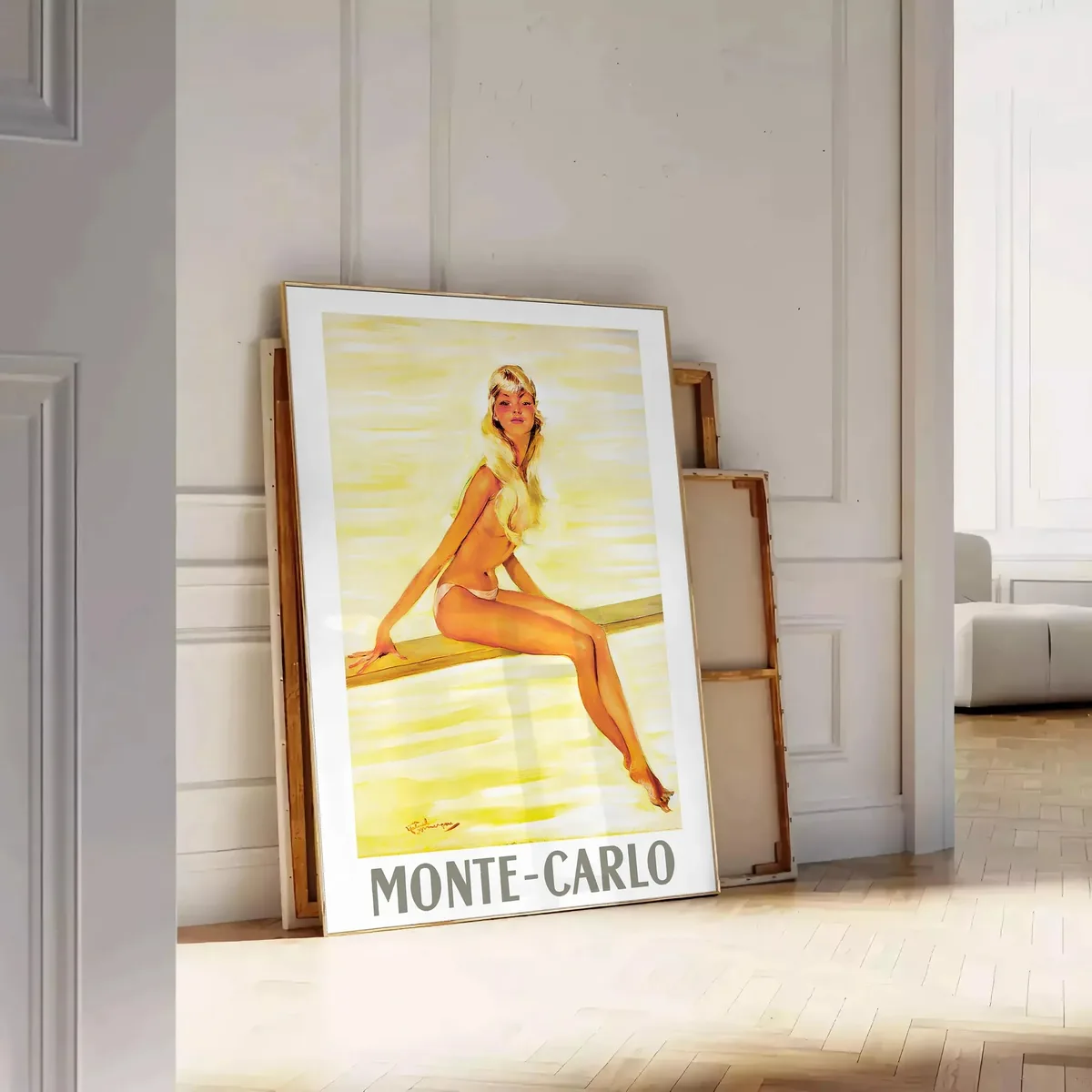
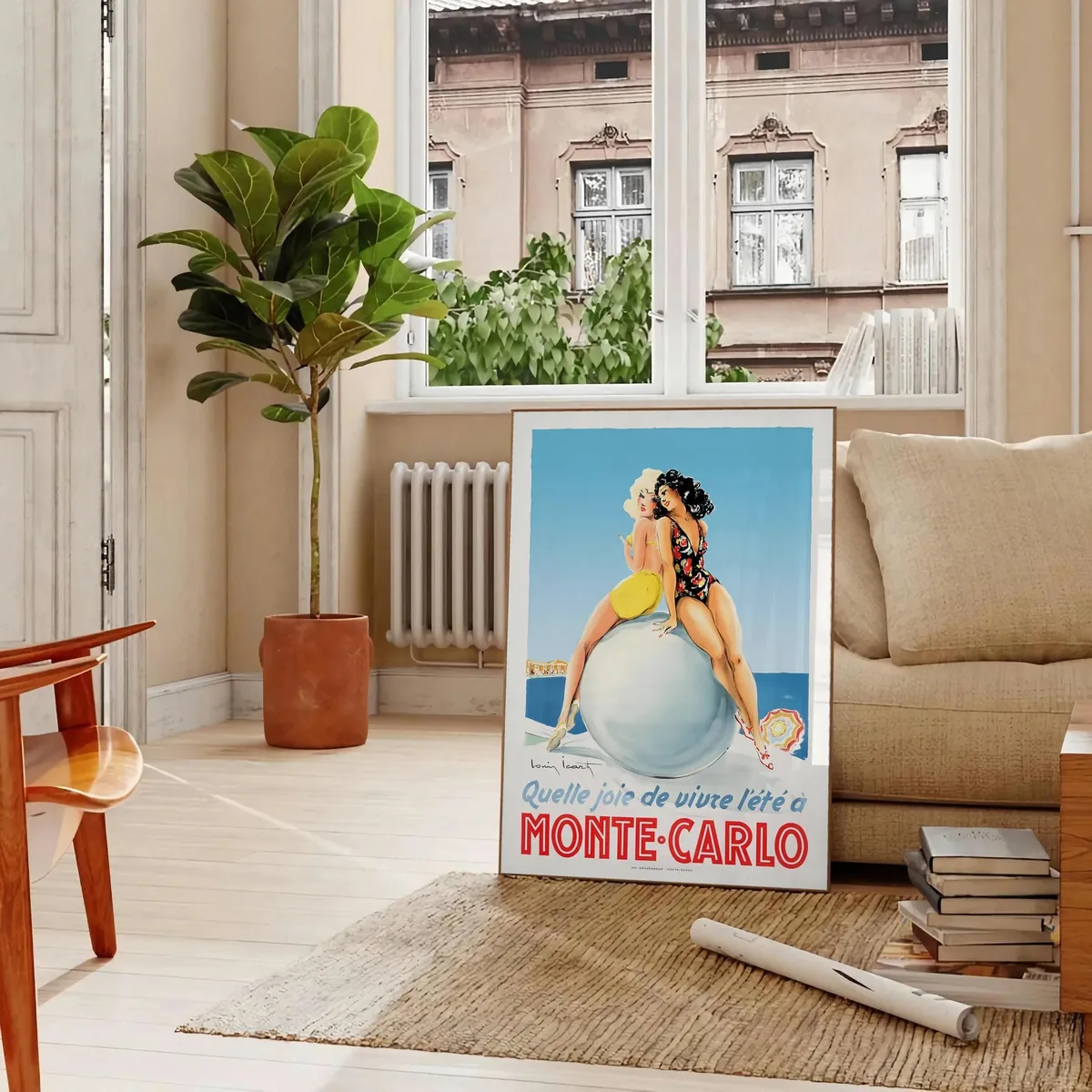
Our posters are printed on 275 g/m2 fine-art paper with a matte finish and museum quality. The paper is FSC-certified and printing takes place in Europe. The matte surface reveals colour depth and tonal nuance without glare, giving a faithful reading of each work, from deep blacks to the most delicate shades.
We offer a broad range of sizes, from a small 21x30 cm to a large 84x119 cm. This span lets you dress a desk corner or an entire living-room wall. Every format preserves the proportions of the original artwork, so the composition the artist intended is always respected.
Yes. Every poster can be ordered with an optional solid-wood frame, available in oak, black or white. The frame is fitted to your chosen size and delivered ready to hang. You can also order the poster on its own if you prefer to frame it yourself or display it as it is.
We ship worldwide. Shipping is a flat 5.95 EUR, and free on orders of 69 EUR or more, to every destination. Allow 2 to 6 working days within the European Union; a few extra days for other destinations. Orders are dispatched from within Europe, which shortens delivery times and lowers the transport footprint. You receive tracking as soon as your order ships, so you can follow your parcel at every stage.
Returns are accepted within 90 days. See the return policy for applicable terms.
