
Journal


Immerse yourself in the charm of our Poster Impressionism collection, where each print reflects a transformative moment in art history. This collection showcases the unique ability of Impressionism to capture the ephemeral beauty of life through vivid colors and dynamic brushwork. Whether you are a seasoned collector or a newcomer to art, these pieces invite you to explore a world steeped in emotion and atmosphere.
Impressionism emerged in France during the late 19th century, a radical movement that broke away from traditional artistic conventions. Artists sought to capture the immediacy of a moment, portraying the effects of light and color in a way that felt fresh and spontaneous. Rather than meticulously blending colors, Impressionists used quick, bold strokes to convey movement and emotion. This innovative approach not only revolutionized painting but also laid the groundwork for modern art movements that followed.
Our collection features several striking pieces that embody the spirit of Impressionism. For instance, the Impressionism Art Poster 2 emphasizes the play of light across a tranquil landscape, inviting viewers to experience the serenity of nature. Similarly, the Impressionism Art Print 1 showcases the vibrancy of city life, capturing the essence of bustling streets and lively gatherings. Each piece is meticulously reproduced on museum-quality 275gsm paper, ensuring that the colors remain vivid and the details sharp.
Several artists stand out in the Impressionist movement, each contributing uniquely to the evolution of the style. Claude Monet is perhaps the most renowned, famous for his series of water lilies and his exploration of light at different times of the day. His work invites viewers to appreciate the subtleties of nature and its ever-changing appearance. Another key figure is Edgar Degas, known for his remarkable depictions of ballet dancers and everyday scenes. His innovative use of perspective and composition helped to redefine how movement could be represented in art. Lastly, Pierre-Auguste Renoir captured the joy of social gatherings and the beauty of human connections, often using warm tones to evoke a sense of intimacy and happiness.
The cultural backdrop of Impressionism is as rich and varied as the artworks themselves. Emerging during a time of industrialization and urbanization in France, the movement reflected the changing social landscape. Artists often depicted the leisure activities of the burgeoning middle class, capturing moments of joy amidst the rapid transformation of society. This focus on contemporary life was a departure from the grand historical and mythological themes prevalent in academic art. Furthermore, the Impressionists often painted en plein air, or outdoors, allowing them to engage directly with their subjects and the environment, a practice that enhanced their ability to capture fleeting moments of beauty.
Impressionism continues to resonate in contemporary art and culture. The movement's emphasis on personal perception and emotional expression paved the way for subsequent styles, including Post-Impressionism and Expressionism. Today, the legacy of Impressionism can be seen in various art forms, from photography to film, where the principles of light, color, and movement are explored. The Impressionist approach to art encourages us to engage with the world around us, to find beauty in the ordinary, and to embrace the transient nature of life.
Art movements often reflect broader cultural and social changes, and Impressionism is a prime example of this phenomenon. In the late 19th century, the art world was dominated by academic practices that emphasized technical skill and adherence to historical subjects. However, as society began to shift, artists sought new ways to express their experiences and perceptions. The Impressionist movement emerged as a response to these constraints, promoting a more personal and subjective approach to art. This shift was not just limited to painting; it influenced literature, music, and theater, fostering a new appreciation for the individual artist's perspective.
Among the key figures in this movement, Claude Monet remains a focal point. His dedication to capturing the nuances of light and atmosphere is evident in works like "Impression, Sunrise," which is credited with giving the movement its name. Monet's commitment to painting outdoors allowed him to document the changing qualities of light, leading to a more dynamic representation of nature. Meanwhile, Edgar Degas pushed the boundaries of traditional composition, focusing on unconventional viewpoints and capturing moments of movement, particularly in his depictions of dancers and horse races. His work often evokes a sense of intimacy and immediacy, inviting viewers into the scene. Pierre-Auguste Renoir, with his emphasis on color and warmth, celebrates the beauty of human interaction, often portraying scenes of leisure and joy.
This collection not only showcases the artistry of Impressionism but also serves as a reminder of its historical significance. The movement challenged the established norms of the art world and paved the way for future generations of artists to explore new styles and techniques. By engaging with these works, collectors can appreciate the revolutionary spirit of the time and the enduring impact of these artists on the development of modern art.
What is Impressionism?
Impressionism is an art movement that originated in France during the late 19th century. It is characterized by a focus on capturing light, movement, and the fleeting nature of a moment through loose brushwork and bold colors.
How do I care for my Impressionist prints?
To preserve the quality of your Impressionist prints, display them away from direct sunlight to prevent fading. Use acid-free materials for framing, and avoid placing them in humid environments. Regular dusting with a soft cloth will help maintain their appearance.
Are the prints in this collection museum-quality?
Yes, the prints in our Impressionism collection are produced on museum-quality 275gsm paper using giclée printing techniques. This method ensures that the colors remain bold and the details crisp, allowing you to enjoy the artwork for years to come.
Can I purchase these prints as gifts?
Absolutely. Impressionist prints make thoughtful gifts for art enthusiasts and collectors alike. Their classic beauty and evocative themes can resonate with anyone who appreciates art.
What are the dimensions of the prints?
The dimensions of the prints vary depending on the specific artwork. Each product page provides detailed information on the size and orientation of the prints for your convenience.
Explore the transformative power of Impressionism through our carefully curated collection. Each piece invites you to reflect on the beauty of life and the artistry of the moment. Discover the collection today and find the perfect addition to your art collection.


Poster history and practical decoration guides.


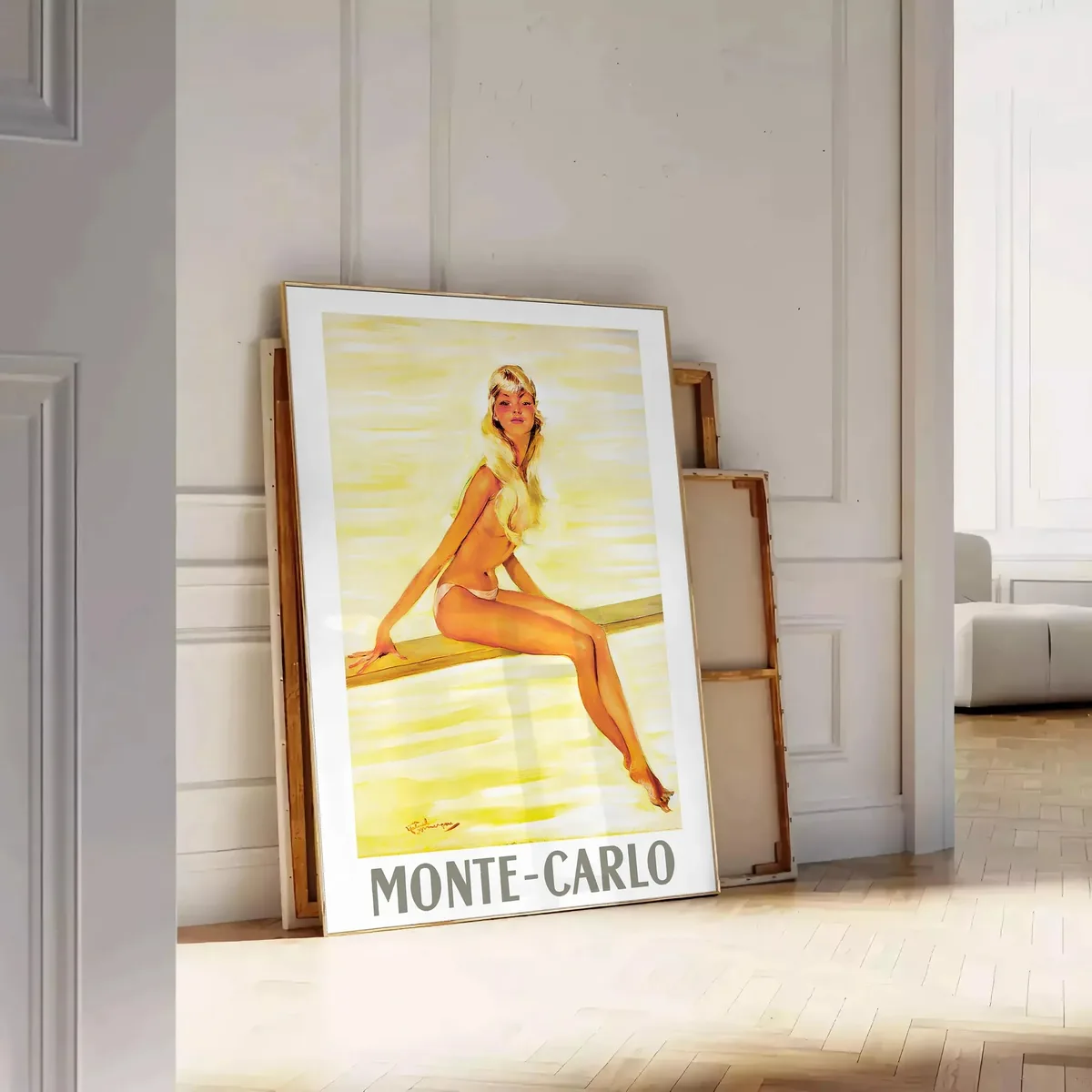
Our posters are printed on 275 g/m2 fine-art paper with a matte finish and museum quality. The paper is FSC-certified and printing takes place in Europe. The matte surface reveals colour depth and tonal nuance without glare, giving a faithful reading of each work, from deep blacks to the most delicate shades.
We offer a broad range of sizes, from a small 21x30 cm to a large 84x119 cm. This span lets you dress a desk corner or an entire living-room wall. Every format preserves the proportions of the original artwork, so the composition the artist intended is always respected.
Yes. Every poster can be ordered with an optional solid-wood frame, available in oak, black or white. The frame is fitted to your chosen size and delivered ready to hang. You can also order the poster on its own if you prefer to frame it yourself or display it as it is.
We ship worldwide. Shipping is a flat 6.95 EUR, and free on orders of 69 EUR or more, to every destination. Allow 2 to 6 working days within the European Union; a few extra days for other destinations. Orders are dispatched from within Europe, which shortens delivery times and lowers the transport footprint. You receive tracking as soon as your order ships, so you can follow your parcel at every stage.
You have 90 days to return your order free of charge if it does not suit you. The poster should come back in good condition, ideally in its original packaging. As soon as we receive the return, we process your refund. Our aim is for every work to find its right place in your home.

