
Journal


Unlock the magic of design through a curated selection of engaging works that embody the spirit of Cubism. This collection features an array of posters that explore the geometric abstraction and innovative perspectives that define this groundbreaking art movement. Each piece invites the viewer to engage with the complexities of form, color, and composition, reflective of the transformative ideas that emerged in the early 20th century. The journey into Cubism is not just an exploration of artistic expression, but an invitation to experience the evolution of visual representation itself.
Cubism emerged in the early 1900s, primarily through the collaborative efforts of Pablo Picasso and Georges Braque in Paris. This avant-garde movement challenged traditional perspectives by deconstructing objects into geometric shapes and presenting them from multiple viewpoints simultaneously. The intention was to depict subjects in a more comprehensive, albeit abstract, manner. This radical approach laid the groundwork for modern art, inspiring countless artists to explore new dimensions of creativity.
The initial phase of Cubism, known as Analytical Cubism, focused on dissecting objects into fragmented forms. The artists utilized a muted color palette to emphasize structure over color, allowing viewers to engage with the essence of the subject rather than its ornamental qualities. This phase was characterized by a rigorous exploration of shape and depth, pushing the boundaries of perception and representation.
As the movement progressed, artists transitioned into Synthetic Cubism, which introduced a more bold color palette and incorporated mixed media elements. This phase marked a departure from the monochromatic tones of Analytical Cubism, embracing collage techniques and the integration of popular culture elements, such as newspaper clippings and advertisements. Artists began to construct compositions that were more playful and expressive, reflecting the dynamic changes in society during the early 20th century.
The works in this collection, such as the Cubism Art Poster, embody the essence of this synthetic phase. The bold colors and layered textures invite viewers to explore the relationship between form and content, encouraging a deeper understanding of the artistic narrative. Each poster serves as a testament to the innovative spirit of Cubism and its lasting impact on contemporary art.
In today's art landscape, the influence of Cubism continues to resonate across various mediums. Artists draw inspiration from the movement's fundamental principles, experimenting with abstraction, fragmentation, and multi-dimensionality. The legacy of Cubism can be seen in the works of contemporary artists who challenge traditional aesthetics and explore new methods of visual storytelling.
The Cubism Art Poster 1 exemplifies this ongoing dialogue between past and present. By blending classic Cubist techniques with modern themes, the artwork creates a bridge that connects historical significance with contemporary relevance. As collectors engage with these pieces, they are not only acquiring art but also participating in a narrative that spans over a century.
Collecting Cubist art is an enriching experience that extends beyond the visual. Each piece offers a unique perspective on the complexities of human experience, thought, and emotion. As one examines the intricate relationships between shapes and colors, a deeper appreciation for the artist's intent emerges. This engagement fosters a connection that transcends mere aesthetic pleasure, allowing collectors to form a personal relationship with the artwork.
For instance, the Cubism Art Poster 2 invites viewers to reflect on the interplay of light and shadow, challenging their perceptions of dimensionality. The dynamic composition encourages a meditative exploration of space and form, making it a compelling addition to any art collection. Each poster in this collection serves as a conversation starter, prompting discussions about the evolution of art and the myriad ways in which it influences our understanding of the world.
The Cubism movement was not merely an isolated phenomenon; it was deeply intertwined with the cultural and intellectual currents of its time. As Europe faced rapid industrialization and societal transformation, artists sought new ways to interpret the shifting landscape. The rise of modernism was accompanied by a rejection of traditional artistic conventions, fostering an environment ripe for innovation.
Key figures in the Cubist movement, such as Pablo Picasso and Georges Braque, were influenced by the works of earlier artists, including Paul Cézanne, who emphasized the importance of structure in painting. Cézanne's exploration of geometric forms inspired Picasso and Braque to further deconstruct their subjects, leading to the birth of Cubism. Additionally, the impact of African art and masks on Picasso's work cannot be overstated, as these influences contributed to the movement's unique visual language.
Other notable artists within the Cubist realm include Juan Gris, known for his contributions to Synthetic Cubism. Gris's works often featured a more elaborate use of color and form, showcasing a distinct style that set him apart from his contemporaries. His ability to blend Cubist ideals with a personal touch allowed him to create art that resonated with both the movement's principles and his own artistic vision.
In the context of historical significance, Cubism represented a radical departure from the conventions of representational art. It allowed for a more subjective interpretation of reality, paving the way for subsequent movements such as Futurism and Surrealism. The Cubist approach to abstraction and the exploration of multiple perspectives laid the groundwork for a myriad of artistic experiments that followed in the 20th century.
What defines Cubism in art?
Cubism is characterized by its fragmented forms, geometric shapes, and the representation of subjects from multiple viewpoints. This revolutionary approach challenges traditional perspectives and invites viewers to engage with the complexities of form and color.
Who are the key artists associated with the Cubism movement?
Pablo Picasso and Georges Braque are the primary figures associated with Cubism. They pioneered the movement in the early 20th century, with other notable artists like Juan Gris contributing significantly to its evolution.
What are the two main phases of Cubism?
The two main phases of Cubism are Analytical Cubism, which emphasizes the deconstruction of objects into fragmented forms, and Synthetic Cubism, which introduces bold colors and mixed media elements, focusing on the construction of compositions.
How can I engage more deeply with Cubist art?
Engaging with Cubist art involves exploring the relationships between shapes, colors, and the narratives presented. Collectors are encouraged to reflect on the emotional and intellectual responses elicited by the artwork, fostering a deeper connection to the pieces.
Where can I find high-quality Cubist art posters?
High-quality Cubist art posters can be found in curated collections that emphasize museum-quality production methods, such as giclée printing on 275gsm paper. This ensures that the artwork retains its vibrancy and integrity over time.
As you immerse yourself in the world of Cubism, consider adding these remarkable pieces to your collection. Each artwork serves not only as a visual representation but as a historical artifact that reflects the evolution of artistic thought and innovation.


Poster history and practical decoration guides.


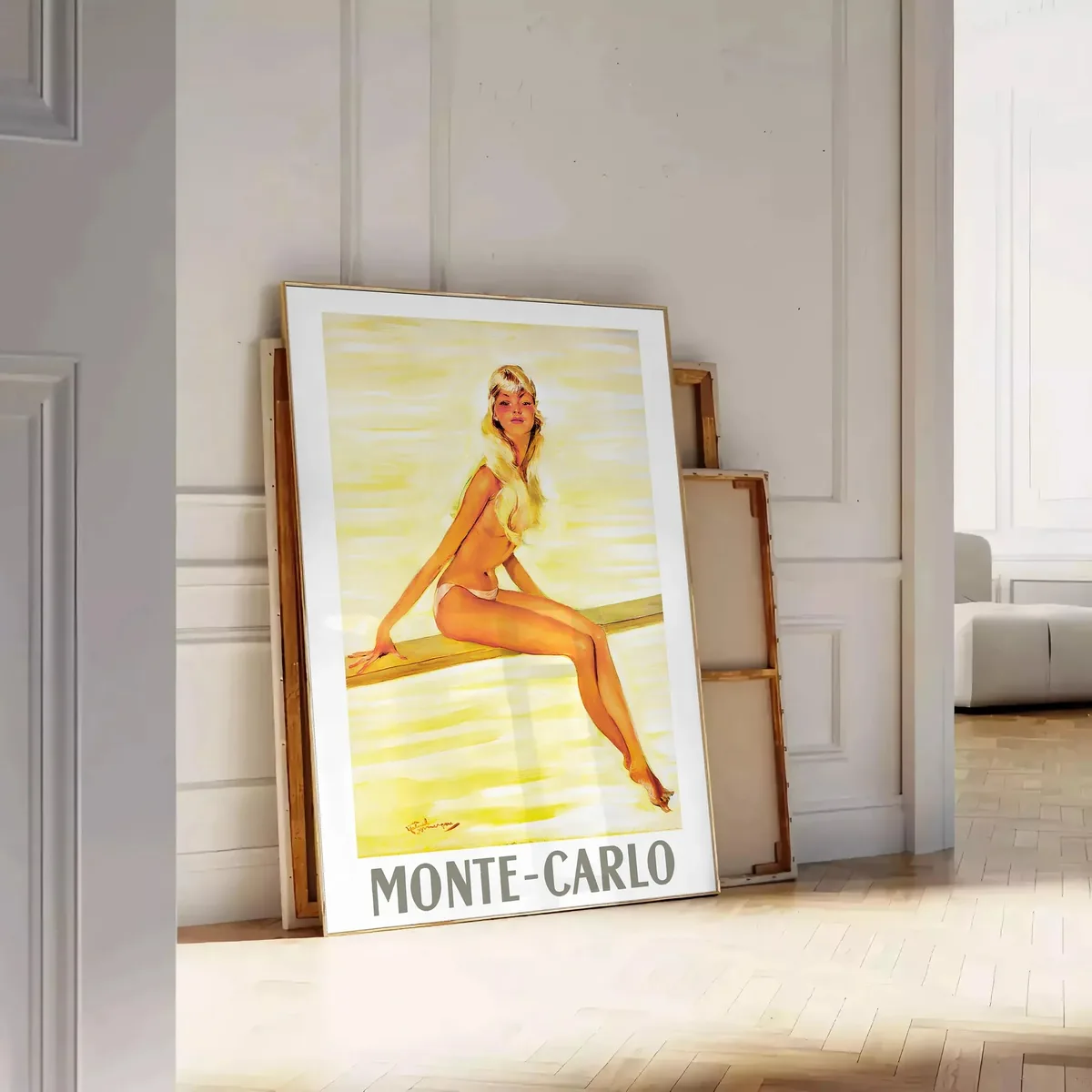
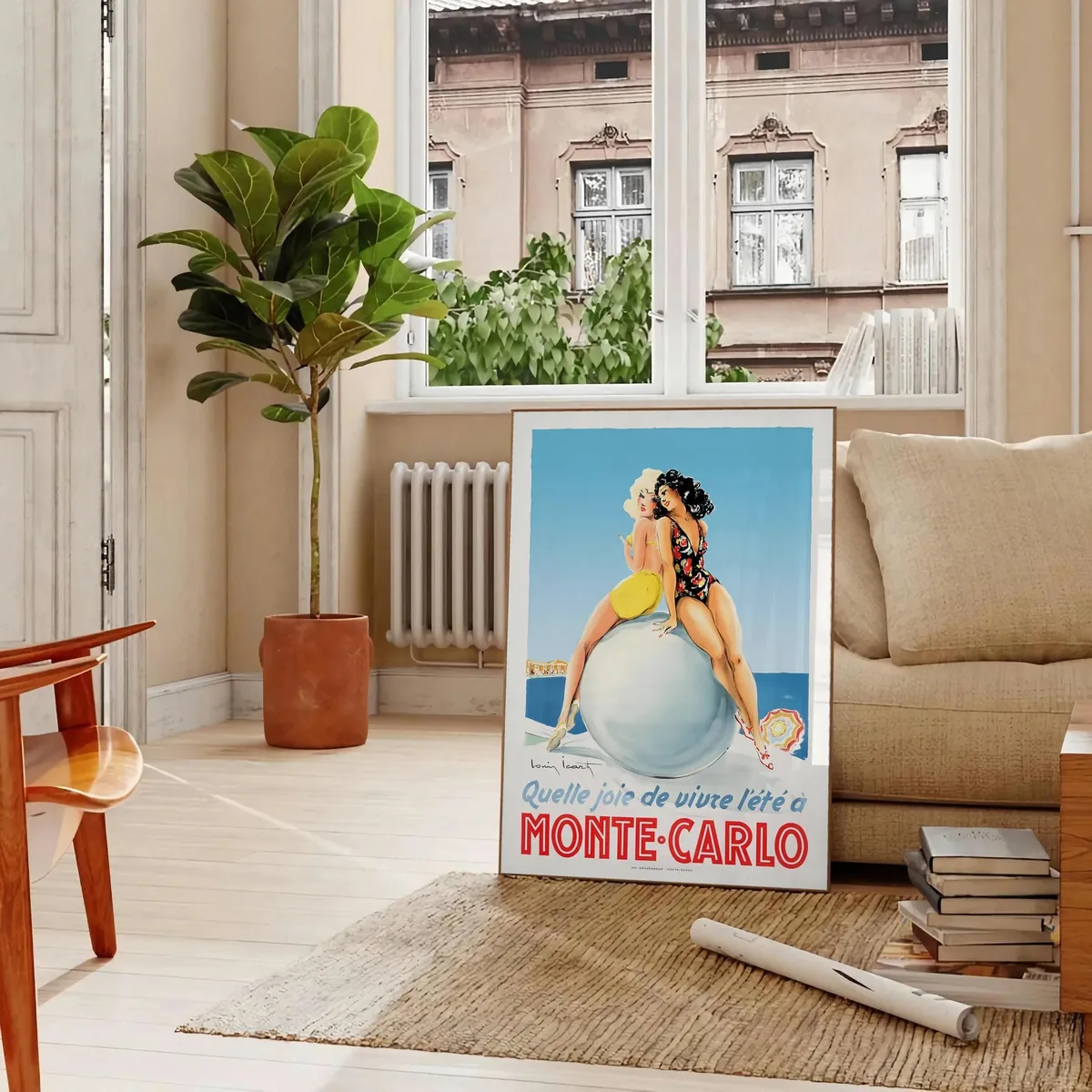
Our posters are printed on 275 g/m2 fine-art paper with a matte finish and museum quality. The paper is FSC-certified and printing takes place in Europe. The matte surface reveals colour depth and tonal nuance without glare, giving a faithful reading of each work, from deep blacks to the most delicate shades.
We offer a broad range of sizes, from a small 21x30 cm to a large 84x119 cm. This span lets you dress a desk corner or an entire living-room wall. Every format preserves the proportions of the original artwork, so the composition the artist intended is always respected.
Yes. Every poster can be ordered with an optional solid-wood frame, available in oak, black or white. The frame is fitted to your chosen size and delivered ready to hang. You can also order the poster on its own if you prefer to frame it yourself or display it as it is.
We ship worldwide. Shipping is a flat 6.95 EUR, and free on orders of 69 EUR or more, to every destination. Allow 2 to 6 working days within the European Union; a few extra days for other destinations. Orders are dispatched from within Europe, which shortens delivery times and lowers the transport footprint. You receive tracking as soon as your order ships, so you can follow your parcel at every stage.
You have 90 days to return your order free of charge if it does not suit you. The poster should come back in good condition, ideally in its original packaging. As soon as we receive the return, we process your refund. Our aim is for every work to find its right place in your home.
